Research
Presentations
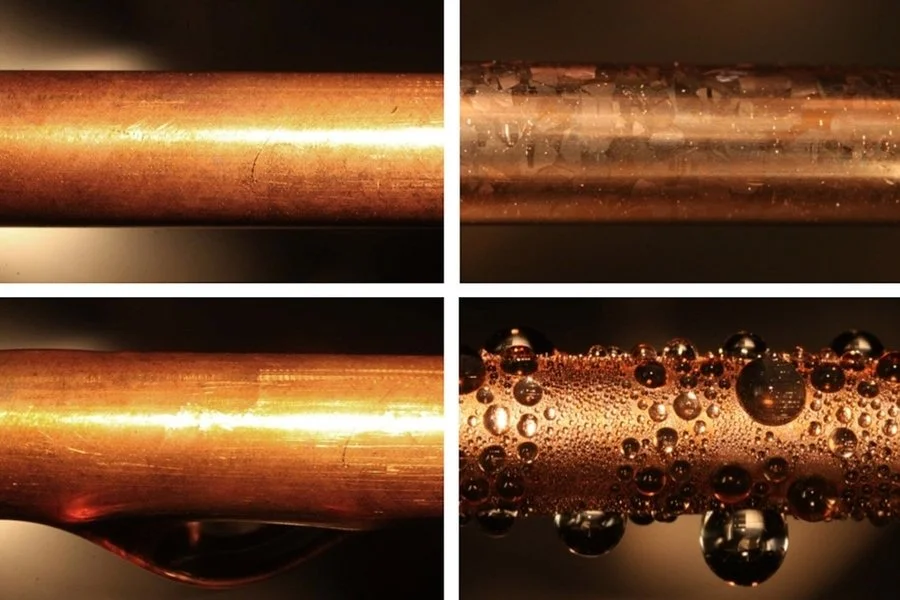
I am an undergraduate researcher in the Preston Innovation Laboratory at Rice University, where I study interfacial phenomena by modifying and analyzing surface chemistry and wettability through thin-film coatings, oxygen plasma cleaning, contact-angle measurements, and surface-energy analysis. My research focuses on developing patterned surfaces that can control how different liquids move across the same surface.
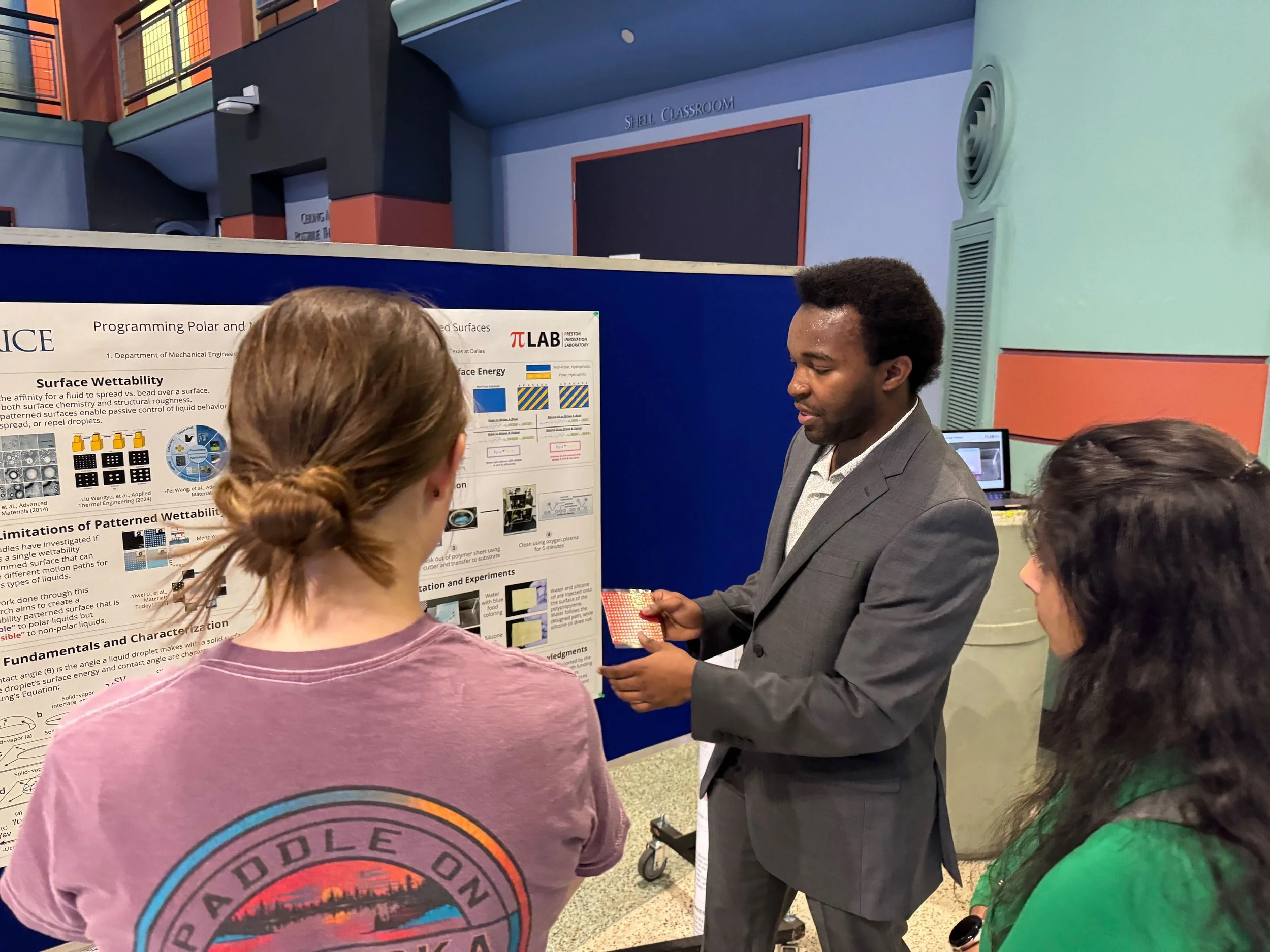
Programming Polar and Non-Polar Liquids Via Plasma Patterned Surfaces
Abstract:
Surface engineering has been the focus of a large body of recent research enabling improved water and energy technologies, including coatings for enhanced phase change heat transfer, fog harvesting, and more. Many studies have focused on wettability patterned surfaces, with most of them being designed for a specific type of liquid. However, few of them investigated if there is a single wettability programmed surface that can enable disparate motion paths for various types of liquids. Taking into account the effects of plasma treatments and the surface energy characteristics for materials, we present a wettability patterned surface that is “visible” to polar liquids but “invisible” to non-polar liquids.
To evaluate the wettability between the liquids and solid surfaces, we analyzed the surface energies and interaction energies using a predictive model based on the contributions of various intramolecular forces. Using this model, we determined the material of the substrate and the approach to create patterns—a vinyl mask with the pattern cut out was applied to polypropylene sheets which then underwent plasma cleaning. Experimental results demonstrated the affinity of polar liquids such as water for the plasma cleaned patterns. On the other hand, nonpolar liquids such as silicone oil showed no affinity to these patterns. This research enhances the fundamental physical understanding of wettability and interaction energy, and provides valuable insights into droplet manipulation as well as the manufacturing process of semiconductors prior to bonding.

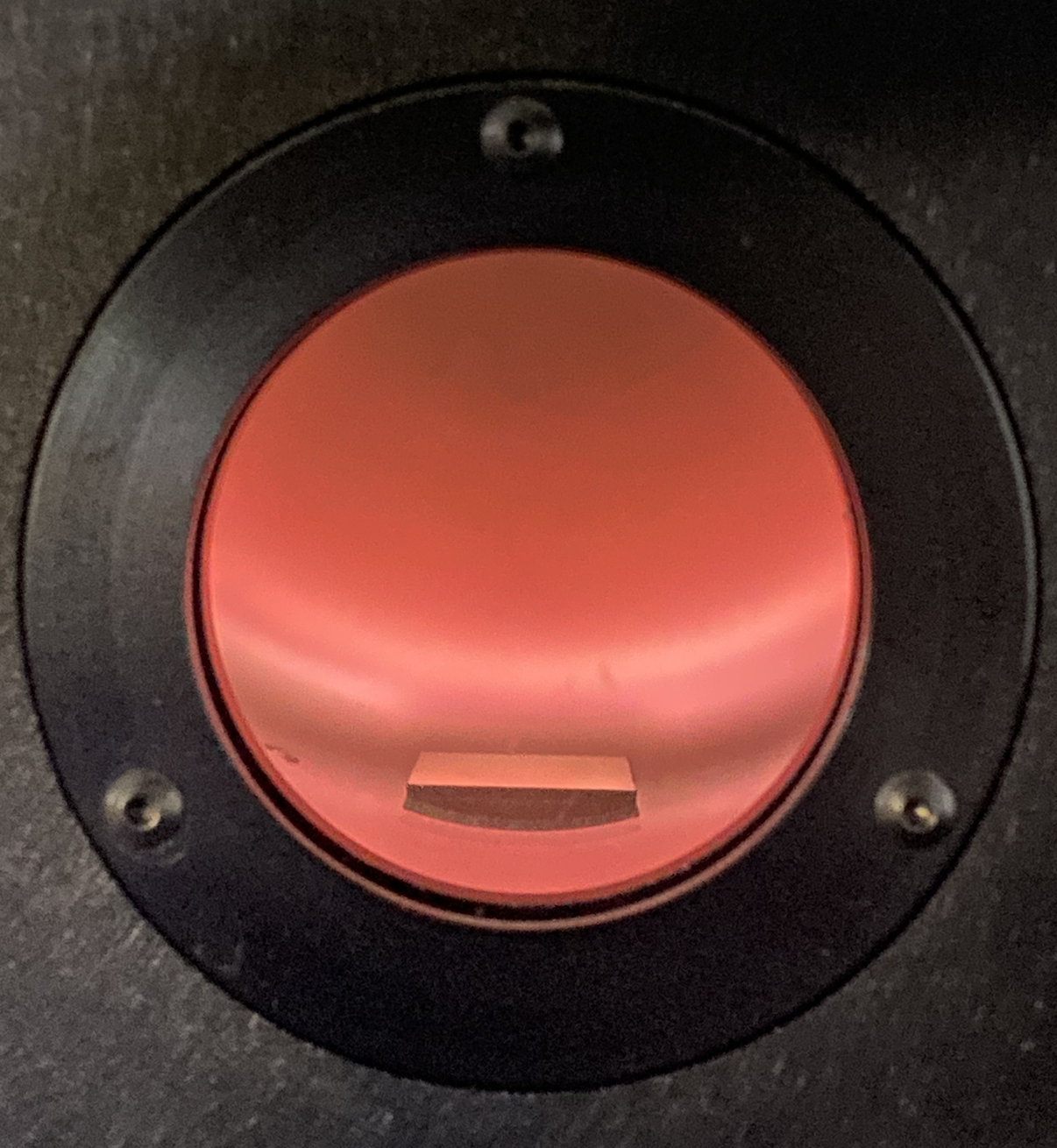
Plasma Cleaning
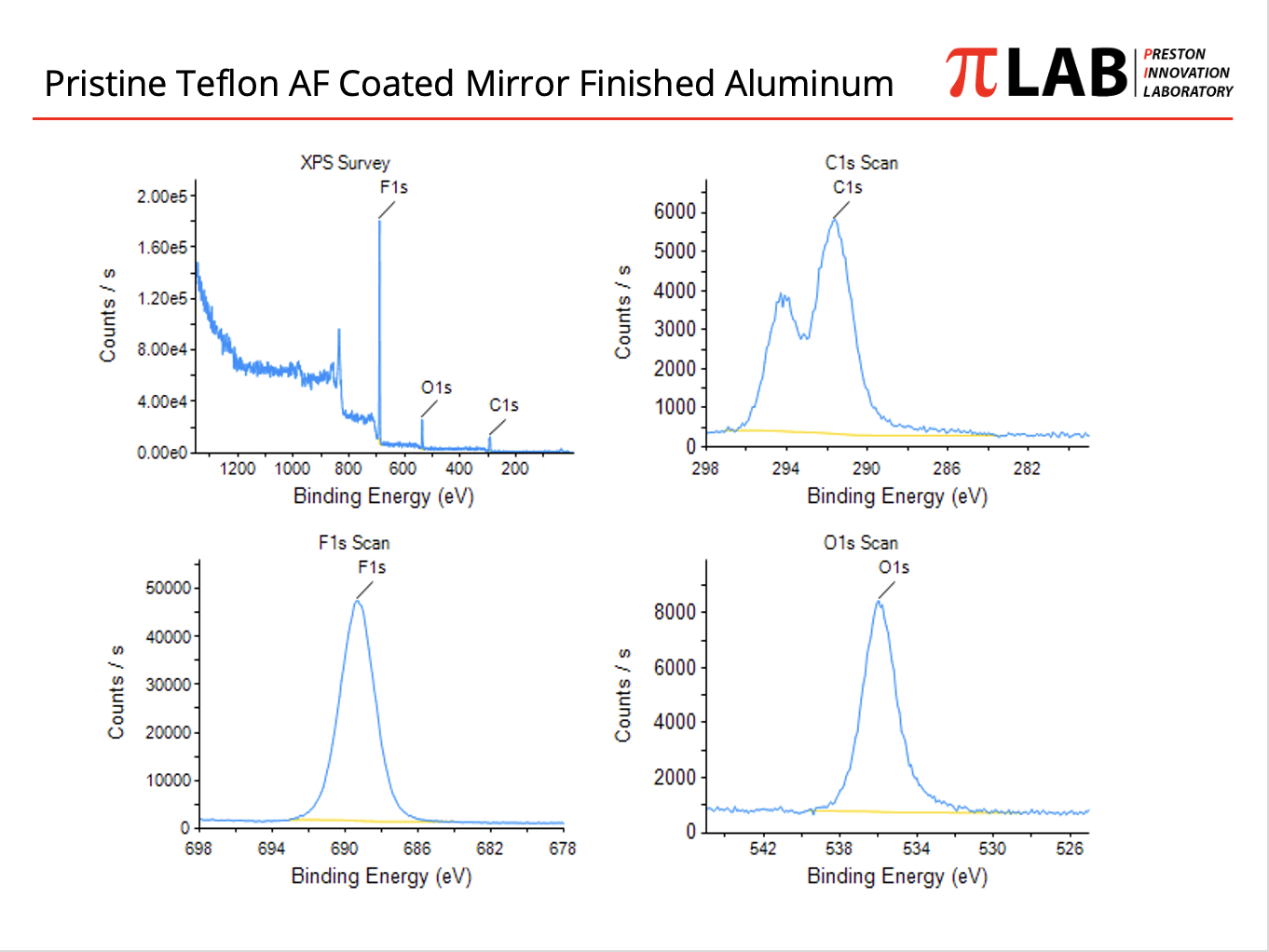
X-Ray Photoelectron Microscopy
Research Projects
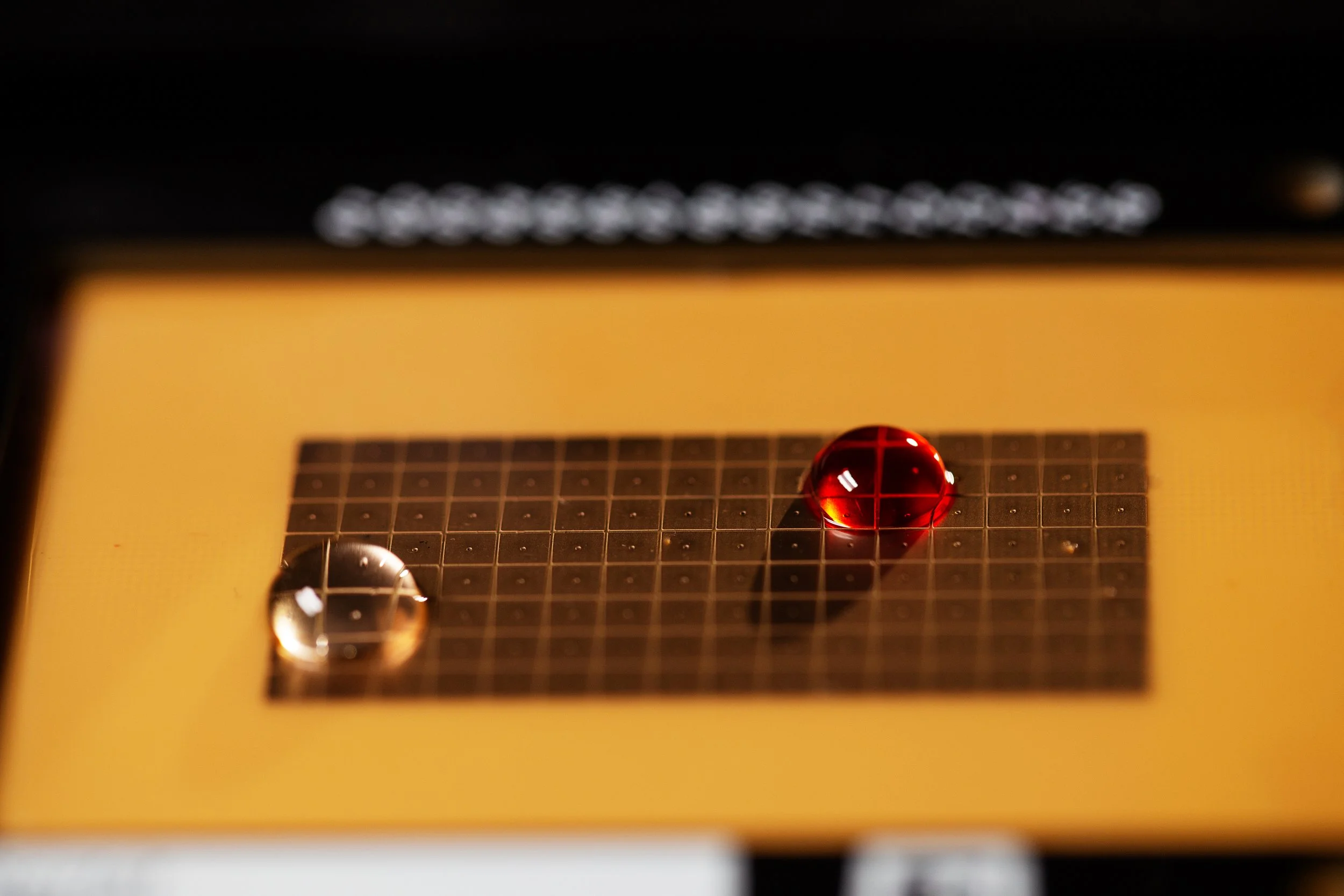
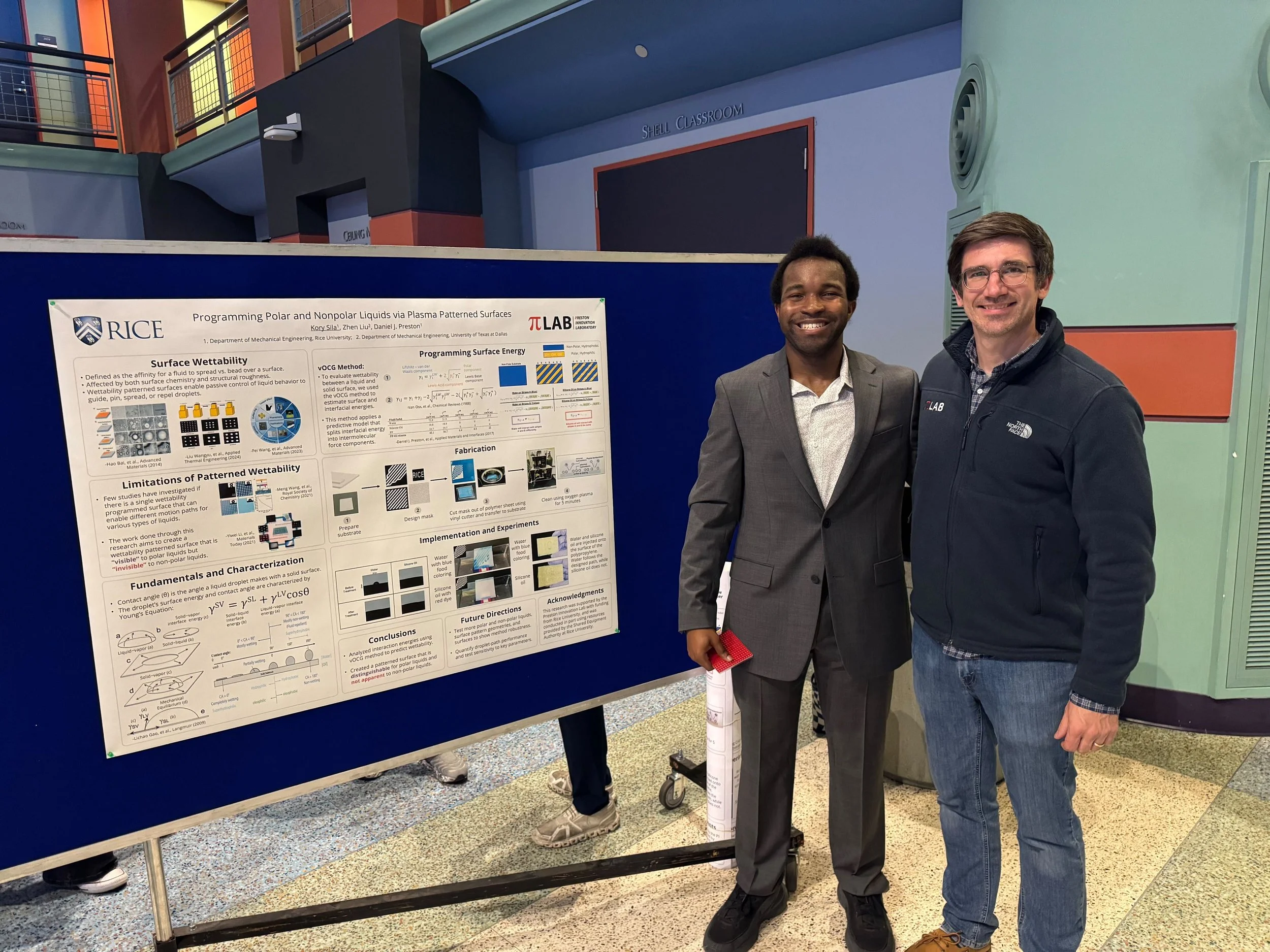
Project Title: Programming Polar and Non-polar Liquids via Plasma Patterned Surfaces
Timeline
09/2023 → Present
Research Summary
Surface engineering has been the focus of a large body of recent research enabling improved water and energy technologies, including coatings for enhanced phase change heat transfer, fog harvesting, and more. Many studies have focused on wettability patterned surfaces, with most of them being designed for a specific type of liquid. However, few of them investigated if there is a single wettability programmed surface that can enable disparate motion paths for various types of liquids. Taking into account the effects of plasma treatments and the surface energy characteristics for materials, we present a wettability patterned surface that is “visible” to polar liquids but “invisible” to non-polar liquids.
To evaluate the wettability between the liquids and solid surfaces, we analyzed the surface energies and interaction energies using a predictive model based on the contributions of various intramolecular forces. Using this model, we determined the material of the substrate and the approach to create patterns—a vinyl mask with the pattern cut out was applied to polypropylene sheets which then underwent plasma cleaning. Experimental results demonstrated the affinity of polar liquids such as water for the plasma cleaned patterns. On the other hand, nonpolar liquids such as silicone oil showed no affinity to these patterns. This research enhances the fundamental physical understanding of wettability and interaction energy, and provides valuable insights into droplet manipulation as well as the manufacturing process of semiconductors prior to bonding.
Faculty Advisors and Mentors
Faculty Advisor: Dr. Daniel J. Preston
Graduate Mentor/Faculty Advisor: Dr. Zhen Liu
Individual Role and Impact
I joined the lab as an undergraduate researcher early in my academic career and have progressively taken on increasing responsibility. Over the past year and a half, I have served as the primary lead for this research, conducting the majority of the experimental work and driving the direction of the investigation and fabrication with guidance from my mentors.
My contributions include:
• Designing and fabricating substrates and masks for surface treatment and testing
• Modifying substrate surface properties using thin-film polymer coatings and timed oxygen plasma cleaning
• Performing contact angle measurements using a goniometer to characterize surface wettability
• Conducting surface energy analysis using the van Oss–Chaudhury–Good (vOCG) method
• Developing MATLAB scripts to extract contact angles from images, predict wettability changes, and analyze treatment effects
• Studying how plasma treatment parameters influence surface energy and droplet behavior
• Maintaining detailed experimental documentation and troubleshooting process inconsistencies
Through this work I developed experimental workflows and helped advance the project toward demonstrating surfaces capable of selectively guiding liquid motion based on interfacial properties. My work has contributed to the broader research goal of understanding surface interaction energies and how oxygen plasma cleaning can influence polar and non-polar droplet behavior on various substrates.
Research Outputs
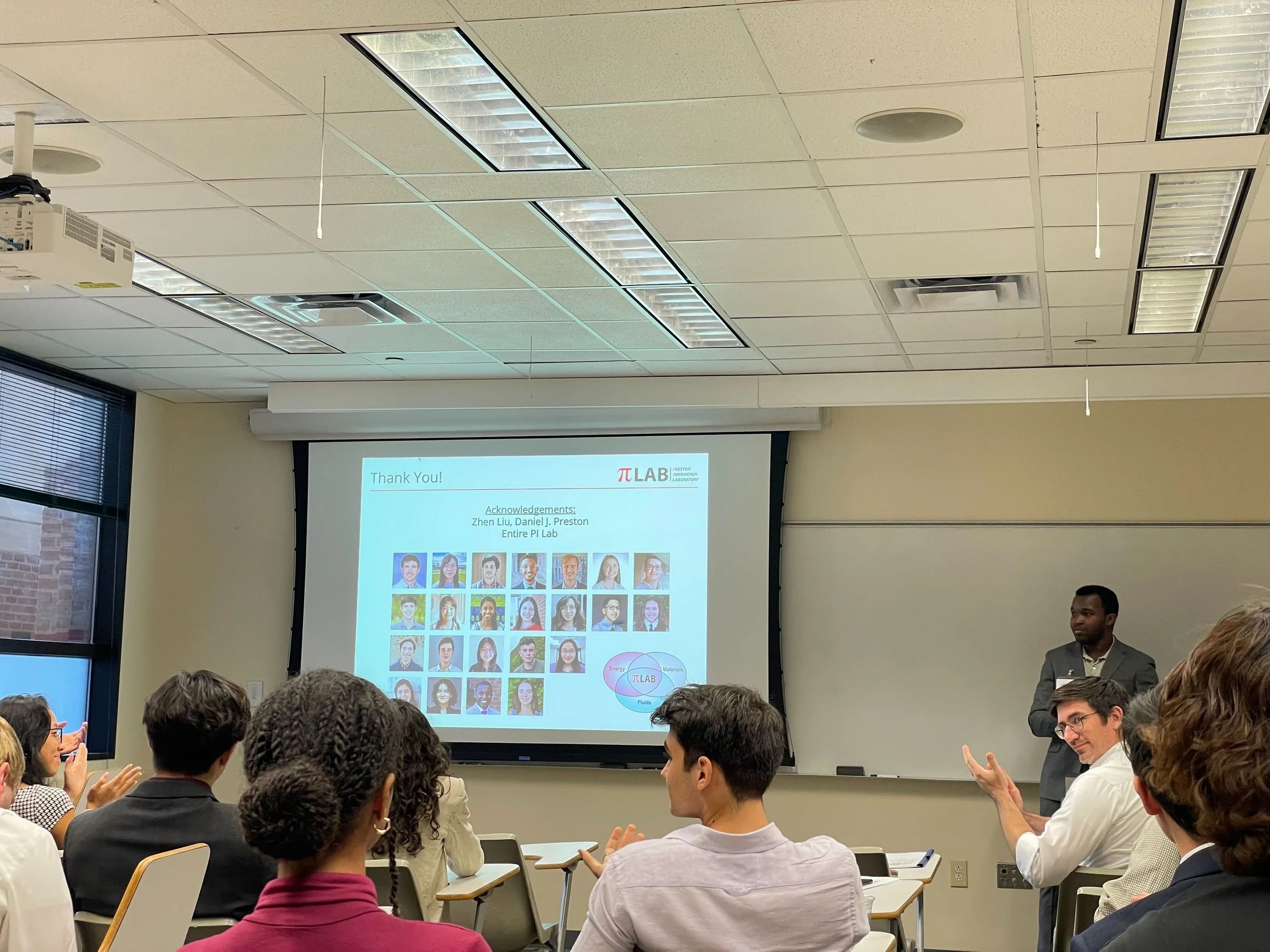
Gulf Coast Undergraduate Research Symposium Presentation – Rice University (2024)
Rice School of Engineering and Computing Poster Presentation – Rice University (2026) Ongoing work toward potential conference presentation and manuscript preparation.
Project Title: Cellulose Nanocrystal–Protein Nanocomposite Coating for Avocado Preservation
Timeline
01/2025 → 05/2025
Research Summary
Food spoilage leads to significant economic loss and contributes to global food waste. This research explores the use of biodegradable nanocomposite coatings made from cellulose nanocrystals and proteins to extend the shelf life of avocados. By combining natural biopolymers with nanoscale reinforcement, these coatings can form protective barriers that slow oxidation and moisture loss during storage and transportation.
The goal of the project is to develop sustainable coating formulations that improve fruit preservation without relying on synthetic packaging materials. Understanding how coating chemistry and surface interactions influence performance is essential for designing effective and environmentally friendly food preservation technologies.
Faculty Advisors and Mentors
Faculty Advisor: Dr. Daniel J. Preston
Graduate Mentor: Dr. Neethu Pottackal
Individual Role and Impact
As an undergraduate researcher on this project, I contributed to both the preparation and characterization of the nanocomposite coatings and helped evaluate how the coatings influence surface interactions.
My contributions included:
• Preparing nanocomposite coating formulations of various protein concentrations
• Assisting with coating application and experimental preparation for testing preservation performance
• Measuring static, advancing, and receding contact angles to characterize the wettability and surface interaction properties of coated substrates
• Analyzing how coating composition influenced surface energy and droplet behavior
These measurements provided insight into how surface wettability and coating structure influence the interaction between the fruit surface and environmental moisture, which is an important factor in determining preservation performance.
This project also allowed me to apply many of the interfacial characterization techniques I had developed in my primary research project to a new application in sustainable biomaterials and food preservation technologies.
Research Outputs
Co-author on manuscript: Cellulose Nanocrystal–Protein Nanocomposite Coating for Avocado Preservation (Status: In publication process)
Project Title: Differentiating the Role of Osmotic Pressure and Ionic Interactions on Self-Healing Polymers
Timeline
09/2025 → 01/2026
Research Summary
Self-healing polymers are materials that can repair damage after being scratched, cut, or otherwise deformed. These materials are promising for applications such as flexible electronics, coatings, and structural materials where durability and longevity are critical. However, the mechanisms that enable self-healing behavior can involve multiple competing effects, including osmotic pressure, ionic interactions, and polymer network structure.
This research aimed to separate and better understand the roles of osmotic pressure and ionic interactions in polyvinyl alcohol (PVA) based self-healing polymer systems. By modifying the ionic environment of the polymer network and observing how the material interacts with liquids and its surrounding environment, my focus on this project sought to characterize how different ionic species influence polymer behavior and healing performance from a surface interaction perspective.
Understanding these mechanisms can help researchers design more robust and controllable self-healing materials for advanced engineering applications.
Faculty Advisors and Mentors
Faculty Advisor: Dr. Daniel J. Preston
Graduate Mentor: Daewon Kim
Individual Role and Impact
My primary contribution to this project was performing surface characterization measurements to evaluate how ionic composition affects the interfacial properties of PVA substrates.
My contributions include:
• Measuring static contact angles on multiple PVA substrates prepared with different ionic environments, including pristine, sulfate (SO₄), potassium (K), nitrate (NO₃), and calcium (Ca) modified samples
• Conducting measurements at multiple spatial locations along each substrate to account for potential heterogeneity in surface chemistry and polymer structure
• Collecting and organizing experimental datasets used to compare how ionic species influence surface wettability and interfacial behavior
These measurements helped provide experimental evidence about how different ionic environments influence the surface interaction properties of the polymer network, contributing to the study's broader goal of isolating the physical mechanisms governing self-healing behavior.
Research Outputs
Acknowledged as a contributor in “Differentiating the Role of Osmotic Pressure and Ionic Interactions on Self-Healing Polymers” in ACS Applied Polymer Materials
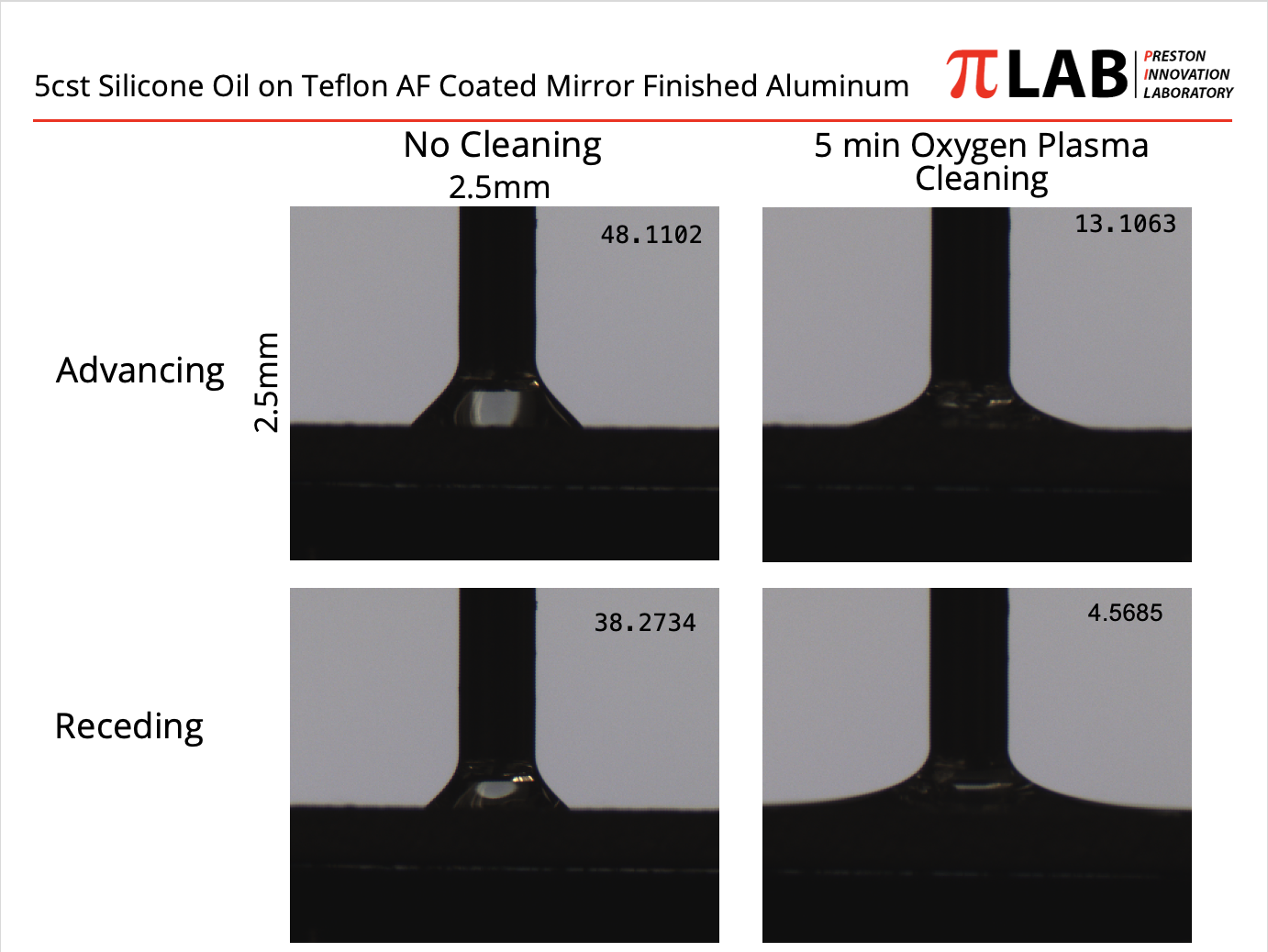
Contact Angle Measurements
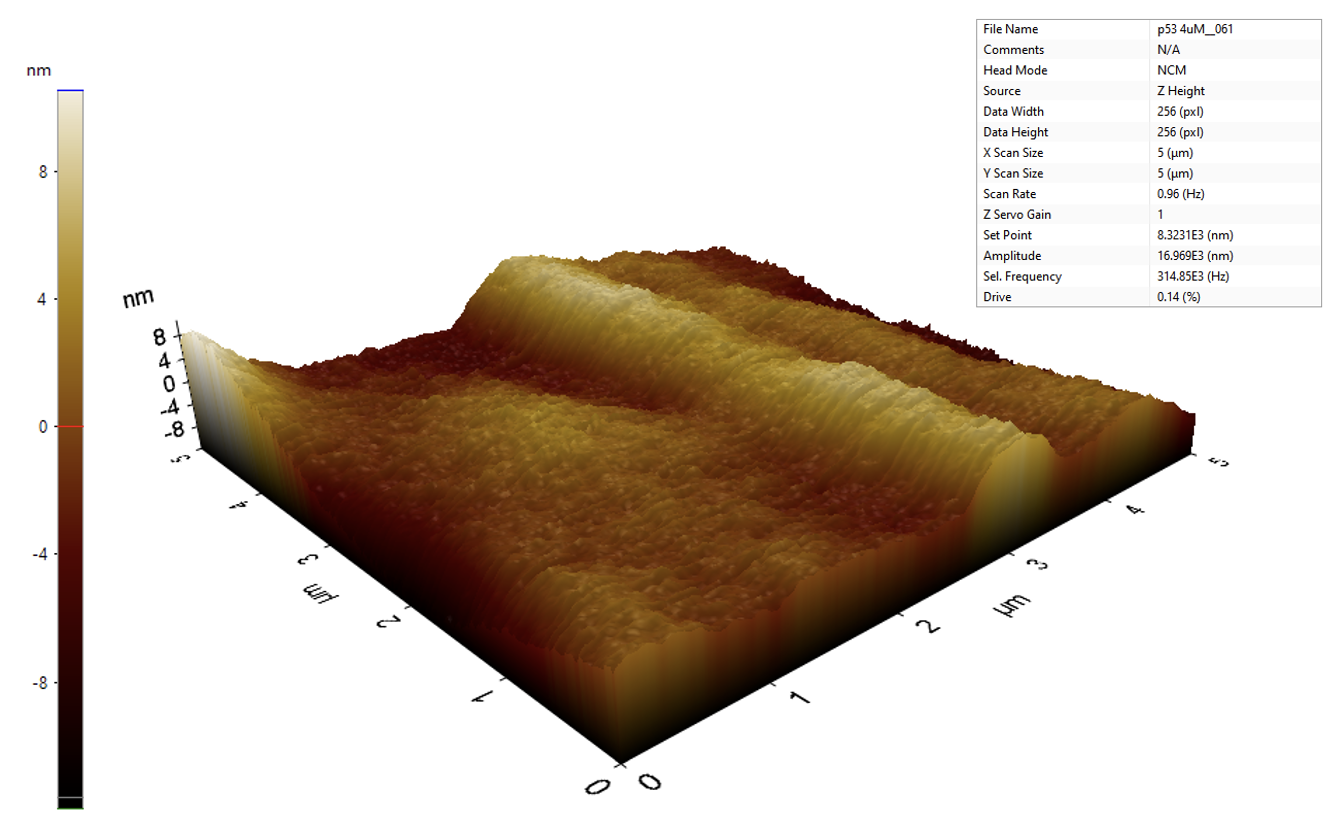
Atomic Force Microscopy